 English
 한국어
한국어 Hydrasearch
Tratar con un tornillo estropeado puede ser frustrante, especialmente cuando te impide terminar un trabajo. Los tornillos estropeados tienen cabezas dañadas o desgastadas, lo que dificulta el uso de un destornillador o un taladro. Por suerte, hay formas prácticas de solucionar el problema. En esta guía, te explicaremos los métodos más sencillos para quitar un tornillo estropeado utilizando herramientas básicas.
También explicaremos cómo evitar este problema en el futuro. Encontrarás todo explicado paso a paso, tanto si utilizas artículos domésticos como herramientas especializadas.
¿Qué causa que un tornillo se desgaste?
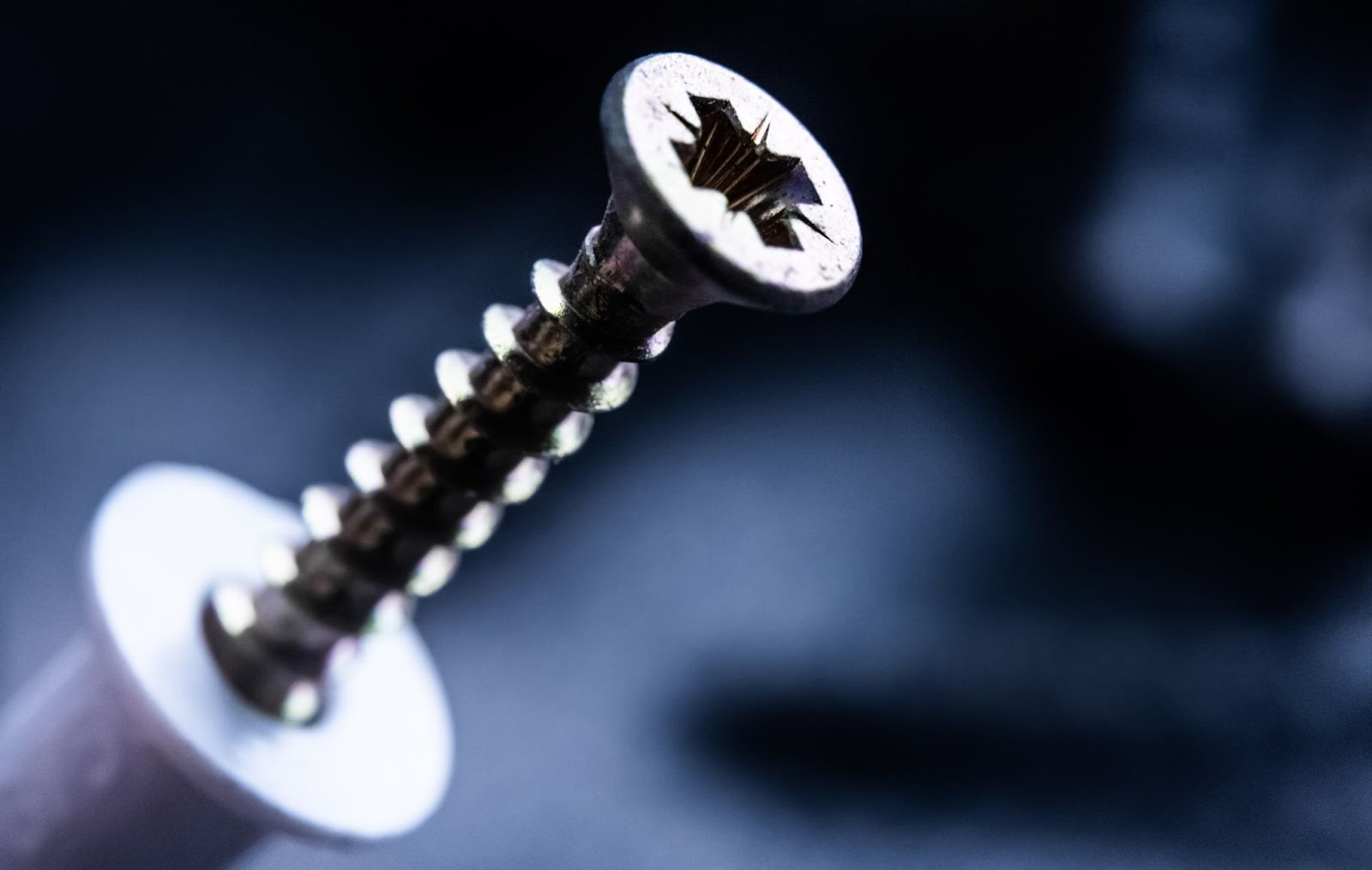
Los tornillos desgastados se producen cuando el destornillador pierde agarre en la cabeza del tornillo. Este problema puede deberse a:
- Usar un destornillador del tamaño incorrecto.
- Apretar demasiado el tornillo.
- Apresurarse durante la instalación.
- Usar tornillos de baja calidad.
- Óxido o corrosión.
Conocer estas causas te ayudará a evitar que se rompan los tornillos en el futuro.
Herramientas que puede necesitar
- Goma elástica
- Alicates
- Juego de extractores de tornillos
- Martillo
- Taladro
- Destornillador plano
- WD-40 o lubricante
Método 1: Utiliza una banda elástica.
Esta es una solución rápida si la cabeza del tornillo está ligeramente dañada. La banda elástica ayuda al destornillador a agarrar mejor el tornillo.
Pasos:
- Coloque una banda elástica sobre la cabeza del tornillo.
- Presione el destornillador contra la banda elástica.
- Gire lentamente el destornillador para sacar el tornillo.
Este método funciona mejor con tornillos que solo están ligeramente desgastados.
Método 2: Intenta usar unos alicates.
Si parte del tornillo sobresale de la superficie, unas tenazas pueden proporcionarle un agarre adicional.
Pasos:
- Sujete firmemente la cabeza del tornillo con los alicates.
- Gire los alicates en sentido antihorario para aflojar el tornillo.
- Siga girando hasta que el tornillo salga.
Método 3: Utilizar un extractor de tornillos
Un extractor de tornillos es una herramienta especializada diseñada para extraer tornillos dañados.
Pasos:
- Elija el extractor del tamaño adecuado para su tornillo.
- Inserte el extractor en el taladro.
- Taladre lentamente la cabeza del tornillo.
- Invierta el taladro para sacar el tornillo.
Este método es fiable, pero se necesita un juego de extractores.
Método 4: Golpee el tornillo con un martillo.
Para los tornillos atascados u oxidados, golpearlos suavemente puede ayudar a aflojarlos.
Pasos:
- Coloque un destornillador plano sobre el tornillo.
- Golpee suavemente el destornillador con un martillo.
- Gire el destornillador en sentido antihorario para quitar el tornillo.
Método 5: Taladrar una nueva ranura
Si el tornillo está demasiado dañado para agarrarlo, puede hacer una nueva ranura con un taladro.
Pasos:
- Utilice una broca metálica pequeña.
- Taladre una línea recta a través de la cabeza del tornillo.
- Inserte un destornillador plano en la nueva ranura.
- Gire el destornillador para quitar el tornillo.
Tasa de éxito de los diferentes métodos
| Método | Porcentaje de éxito estimado | Ideal para |
| Goma elástica | 60 % | Desgaste leve |
| Alicates | 70 % | Tornillos parcialmente expuestos |
| Extractor de tornillos | 90 % | Tornillos muy desgastados |
| Martillo y destornillador | 75 % | Tornillos atascados u oxidados |
| Taladrar una nueva ranura | 80 % | Tornillos muy dañados |
Prevención de tornillos desgastados

- Utilice un destornillador del tamaño adecuado para el trabajo.
- Aplique una presión constante sin apresurarse.
- Evite apretar demasiado los tornillos.
- Utilice tornillos de alta calidad para reducir el desgaste.
- Lubrique los tornillos si son difíciles de insertar.
Preguntas frecuentes
1. ¿Puedo usar WD-40 para quitar un tornillo atascado?
Sí. El WD-40 u otros lubricantes pueden aflojar tornillos oxidados. Rocíelo sobre el tornillo y espere unos minutos antes de intentar quitarlo.
2. ¿Qué pasa si ninguno de los métodos funciona?
Si el tornillo sigue atascado, es posible que tengas que taladrarlo por completo o utilizar una herramienta especializada para extraer tornillos.
3. ¿Cómo puedo evitar que los tornillos se dañen en el futuro?
Utilice siempre las herramientas adecuadas, aplique una presión constante y evite apresurarse cuando trabaje con tornillos.
Conclusión
Quitar un tornillo estropeado no tiene por qué ser estresante. Ya sea con una goma elástica o con un extractor de tornillos, hay varias formas de hacerlo. Cada método funciona mejor para diferentes niveles de daño del tornillo. Ahora que ya sabes cómo manejar los tornillos estropeados, puedes abordar este problema con confianza.
No olvides prevenir el estropeo utilizando las herramientas y técnicas adecuadas desde el principio. ¡Feliz reparación!