
Buck Algonquin: Productos marinos de confianza por su rendimiento y fiabilidad.

Buck Algonquin

Cuando estás en el agua, no hay lugar para concesiones. La fiabilidad, la resistencia y el rendimiento no son opcionales, son esenciales. Por eso los navegantes de todo el mundo confían en los productos marinos Buck Algonquin, fabricados con orgullo por Hydrasearch. Diseñado para un rendimiento marítimo Buck Algonquin se ha labrado una reputación por […]

Cómo liberar la manija atascada de una válvula de bola en su embarcación
Stuck Ball Valve Handle

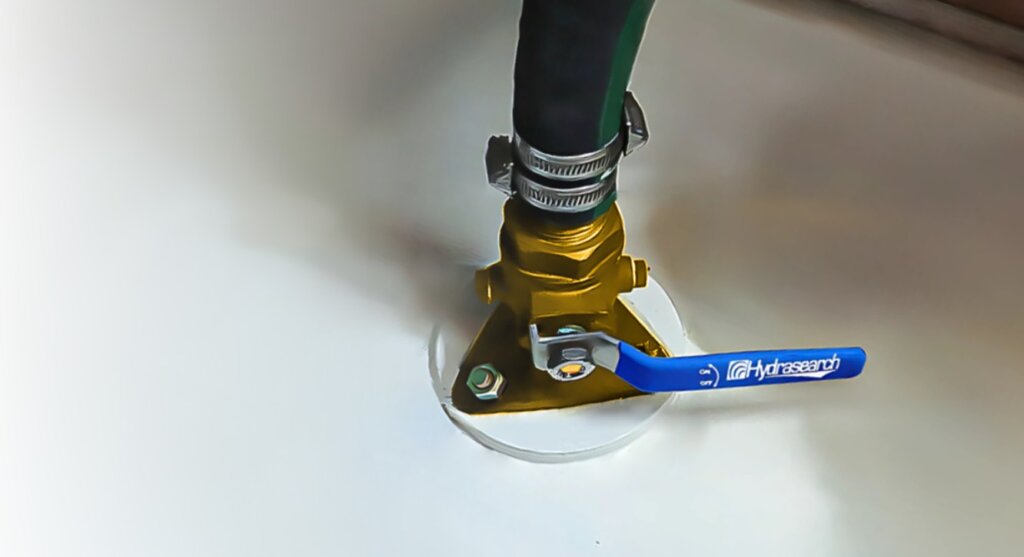
Una manija de válvula de bola atascada puede ser frustrante, y potencialmente peligrosa si su embarcación está en el agua. Estas válvulas son esenciales para controlar el flujo de agua, y si la manija no gira, corre el riesgo de quedarse con una válvula atascada en posición abierta o cerrada. En algunos casos, forzarla puede […]

Por qué los filtros de acero Hydrasearch Arctic superan a la competencia

strainer

Cuando se trata de proteger motores marinos, generadores y sistemas de climatización, la calidad del filtro de agua sin tratar es importante. En Hydrasearch Company, LLC, estamos orgullosos de fabricar y suministrar filtros Arctic Steel Strainers fabricados con acero inoxidable dúplex 2205 electropulido para un rendimiento inigualable en entornos marinos corrosivos. Diseñados pensando en las […]

Conjuntos de mangueras aeroespaciales

Aerospace Hose Assemblies

En la industria aeroespacial, la seguridad y la fiabilidad lo son todo. Ya se trate de un avión comercial o militar, todos los componentes deben funcionar a la perfección, especialmente los sistemas que gestionan la transferencia de fluidos bajo presión. Un componente clave que a menudo se pasa por alto es el conjunto de mangueras […]

Aplicaciones comunes para mangueras trenzadas de acero

Common Applications for Steel Braided Hoses

Las mangueras trenzadas de acero desempeñan un papel fundamental en sistemas que requieren durabilidad, flexibilidad y resistencia a condiciones extremas. Estas mangueras reforzadas combinan un núcleo interno flexible, a menudo de caucho o PTFE, con una capa externa de trenzado de acero inoxidable, lo que les confiere una excelente resistencia sin comprometer la flexibilidad. Su […]

¿Qué hacen los ingenieros aeroespaciales?

Aerospace engineering is one of the most complex and fascinating branches of engineering. From designing fighter jets to exploring Mars, aerospace engineers play a key role in shaping the future of flight and space exploration. But what do aerospace engineers actually do on a daily basis? Let’s explore their roles, responsibilities, and the skills they need to succeed. What is Aerospace Engineering? Aerospace engineering focuses on the design, development, testing, and production of aircraft, spacecraft, satellites, and missiles. This discipline is divided into two main branches: Aeronautical Engineering: Deals with aircraft that fly within Earth’s atmosphere. Astronautical Engineering: Focuses on spacecraft and systems that operate outside Earth’s atmosphere. Aerospace engineers can work in commercial aviation, defense systems, research organizations, and space agencies like NASA or ESA. Daily Responsibilities of an Aerospace Engineer Aerospace engineers handle a wide variety of technical and analytical tasks. Their responsibilities depend on their specialization and the phase of the project they are involved in. Here's what they usually do: Research to develop new flight technologies Design aircraft, spacecraft, or propulsion systems Create simulations and models to test performance Run wind tunnel and stress tests Analyze aerodynamic systems for stability and efficiency Ensure that designs meet safety and quality standards Modify existing products to improve performance or reduce costs Work with cross-functional teams including electrical, mechanical, and software engineers Specializations Within Aerospace Engineering The field of aerospace engineering is broad, and engineers often specialize in specific areas such as: Aerodynamics: Focuses on airflow and how it interacts with surfaces Propulsion: Deals with engines, fuel systems, and thrust mechanisms Avionics: Involves electronic systems used in aircraft and spacecraft Structures and Materials: Concerned with the physical integrity and strength of components Systems Engineering: Coordinates all parts of a complex aerospace project to ensure proper integration Each specialization plays a crucial role in making sure aerospace systems operate effectively and safely. Skills Needed to Become an Aerospace Engineer Success in aerospace engineering requires a strong foundation in science and mathematics. Engineers must also have critical thinking, problem-solving, and communication skills. Since they often work in teams, collaboration and attention to detail are essential. Familiarity with advanced software tools for modeling and simulation is also important in the field. Most aerospace engineers have at least a bachelor's degree in aerospace engineering or mechanical engineering, and many go on to earn master’s or doctoral degrees for advanced roles. How Aerospace Engineers Shape the Future Aerospace engineers don’t just build planes and rockets they push the boundaries of what is possible. Their innovations lead to faster travel, cleaner energy systems, and safer vehicles. Technologies developed for space exploration often find their way into our daily lives, from GPS systems to improved weather forecasting tools. Their work also supports national defense and global communication networks. Without aerospace engineers, we wouldn’t have the commercial airliners, satellites, or reusable rockets we rely on today. Regulatory Compliance Aerospace engineers must also ensure that their designs and maintenance practices comply with strict regulations. In the United States, the Federal Aviation Administration (FAA) plays a critical role in overseeing the safety and certification of aircraft and aerospace systems. The FAA sets standards for aircraft design, manufacturing, and maintenance, and engineers must follow these requirements to ensure that aircraft are airworthy and legally approved for operation. Final Thoughts Aerospace engineers are at the forefront of innovation in air and space. They use science, creativity, and technical skills to build vehicles that take us higher, faster, and further than ever before. Whether developing a new fighter jet or designing a probe for deep space exploration, aerospace engineers make modern flight and space missions possible. If you’re fascinated by aircraft or inspired by space travel, aerospace engineering is a field that offers endless possibilities and the chance to shape the future of humanity’s journey into the skies and beyond. Want to learn more about aerospace components? Explore aerospace hose fittings and assemblies here: Aerospace Hose Fittings Hose Assemblies Frequently Asked Questions 1. What exactly do aerospace engineers do? Aerospace engineers design, build, and test aircraft, spacecraft, satellites, and missile systems. They focus on improving safety, performance, and efficiency while ensuring the systems can handle extreme conditions during flight or space travel. 2. What is the difference between aeronautical and astronautical engineering? Aeronautical engineering focuses on aircraft that operate within Earth's atmosphere, such as airplanes and drones. Astronautical engineering deals with systems that operate beyond the atmosphere, like rockets and satellites. 3. Where do aerospace engineers usually work? They work in government agencies like NASA and the Department of Defense, private aerospace and defense companies like Boeing and Lockheed Martin, commercial space firms like SpaceX, and research institutions or universities. 4. Is aerospace engineering a good career? Yes, it’s a rewarding field with strong job growth, high salaries, and the chance to work on advanced technology. It also offers opportunities to contribute to national defense, space exploration, and global innovation. 5. What education is required to become an aerospace engineer? What do aerospace engineers do

La ingeniería aeroespacial es una de las ramas más complejas y fascinantes de la ingeniería. Desde el diseño de aviones de combate hasta la exploración de Marte, los ingenieros aeroespaciales desempeñan un papel fundamental en la configuración del futuro de la aviación y la exploración espacial. Pero, ¿qué hacen realmente los ingenieros aeroespaciales en su […]

Por qué las válvulas de bola de bronce Buck Algonquin son la mejor opción para aplicaciones marinas

Why Buck Algonquin Bronze Ball Valves Are the Superior Choice for Marine Applications

Artikel im Fokus #00BBV100LP — Hergestellt von Hydrasearch Company LLC Wenn es um Schiffssanitärsysteme geht, ist das Kugelventil eine der wichtigsten Komponenten für die Sicherheit und Kontrolle an Bord. Ob Sie nun die Seewasserzufuhr, die Bilgenentleerung oder die Absperrung von Rohrleitungen verwalten, ein zuverlässiges Kugelventil ist unverzichtbar. Bei Hydrasearch Company LLC sind wir stolz darauf, […]